Hand-Tied Hair Extensions in Houston: A Practical Guide Before You Commit
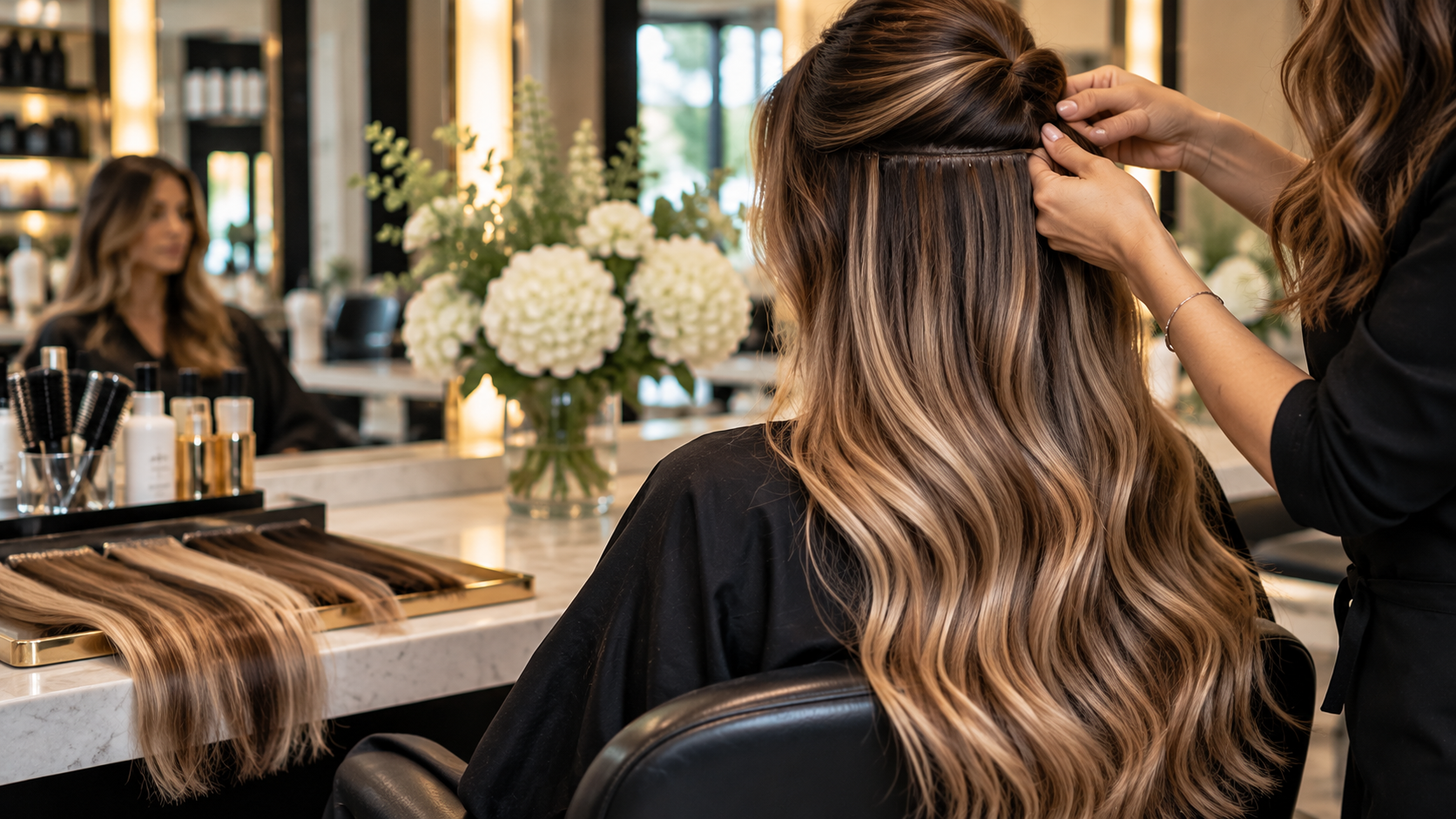
Most people start researching hair extensions because they want longer hair.

Then they discover that length is only part of the story.

Extensions can also add fullness to fine hair, fill out the sides and ends of a haircut, create more impact in a blowout and give you a completely different canvas for styling.

But extensions are also a commitment. They need to be selected correctly, installed correctly and maintained correctly.

If you’re considering hand-tied hair extensions in Houston, here are the things we think you should know before deciding whether they’re right for you.

What Are Hand-Tied Hair Extensions?

“Hand-tied” generally refers to extension wefts that are incorporated into an extension installation designed to add length, volume or both.

What matters to the client, however, isn’t simply the name of the method.

The bigger questions are how the extensions will work with your natural hair, how much hair is appropriate for your desired result, where the extensions should be placed and how the finished hair will be blended.

Extensions shouldn’t look like long hair sitting underneath short hair.

The haircut, color and extension placement need to work together.

Extensions Aren’t Only for Dramatic Length

This surprises some first-time extension clients.

You don’t necessarily need waist-length hair to benefit from extensions.

A client may love her current length but feel that her ends look thin. Another may want more fullness around the sides. Someone growing out a shorter haircut may want to make the transition less frustrating.

In those situations, extensions can be used primarily for density and shape rather than dramatic length.

Sometimes the best extension work is the kind other people don’t immediately recognize as extensions.

They simply notice that your hair looks fuller.

The Consultation Is One of the Most Important Parts

An extension consultation shouldn’t feel like choosing a product from a shelf.

Your stylist needs to evaluate your natural hair and understand what you’re hoping to achieve.

We look at factors such as your current length, density, texture, condition, color and everyday styling habits. We also want to know how often you’re willing to return for maintenance and how much time you’re realistically prepared to spend caring for the extensions at home.

Be candid.

If you’re a wash-and-go person who rarely styles your hair, say so. If you use hot tools almost every day, say that too.

The best extension method is the one that works not only in the salon but in your real life.

Color Matching Is About More Than Finding One Shade

Natural hair rarely consists of a single flat color.

There may be lighter pieces around the face, darker areas underneath, highlights through the mid-lengths or subtle tonal differences from roots to ends.

That’s why a good extension match may involve more than one shade.

Strategic color selection and blending help the extensions disappear into the natural hair rather than looking like an obvious separate layer.

For clients who also color their hair, the extension and color plans should work together.

If you’re planning a major color change, mention your interest in extensions before beginning the process. Coordinating the two services can make a significant difference in the final result.

What Does Maintenance Look Like?

This is the conversation every extension client should have before installation.

Your natural hair continues to grow, which means the attachment points gradually move away from the scalp. Extensions therefore require professional maintenance and repositioning according to the method used, your hair growth and your stylist’s recommendation.

At home, you’ll also need to care for the hair properly.

That can include brushing carefully, keeping the attachment area from becoming tangled, using appropriate hair products and being thoughtful about how you sleep, wash and heat-style the hair.

Houston’s climate adds another consideration.

Humidity, heat, swimming and frequent washing can all affect your styling routine. If you spend a lot of time outdoors or in the pool, discuss that with your stylist so you know what maintenance will realistically involve.

Can Extensions Damage Your Natural Hair?

This is one of the most reasonable questions to ask.

The goal should always be to protect the integrity of the natural hair.

That means the amount and placement of extension hair need to be appropriate for the client’s natural density and condition. Professional maintenance matters, and so does what happens between appointments.

Pulling excessively on the extensions, allowing severe tangling to develop or going far beyond the recommended maintenance schedule can create unnecessary stress.

Extensions also aren’t appropriate for every person at every moment.

If your hair or scalp condition makes extensions a poor choice, that should be part of an honest consultation.

How Much Hair Will You Need?

There isn’t a responsible one-size-fits-all answer.

Someone adding modest fullness to medium-length hair may need a very different amount than someone with thick, blunt hair who wants substantial additional length.

Your desired result, natural density, haircut and head shape all influence the plan.

That’s one reason an extension consultation is more useful than simply asking, “How much are extensions?” before anyone has evaluated your hair.

The total service should be based on what is actually needed to create the intended result.

Should You Get Color and Extensions at the Same Salon?

There can be a real advantage to coordinating them.

When your colorist and extension stylist understand the complete plan, the natural hair can be colored with the finished extension result in mind.

That may mean adjusting dimension, adding a root blend or refining the tone so the natural hair and extension hair transition more naturally.

At Salon Germains, we look at the finished hairstyle as a whole rather than treating color, extensions and haircutting as unrelated services.

Who Is a Good Candidate for Hand-Tied Extensions?

They may be worth exploring if you want more length, increased fullness or a combination of the two and you’re comfortable with professional maintenance and consistent home care.

The consultation is where we determine whether the method makes sense for your particular hair.

That’s also the right time to talk about expectations.

Bring photos of the length and fullness you like. Tell us what you don’t like about your current hair. Ask about upkeep. Ask how you’ll need to style it. Ask what happens at your maintenance appointments.

You should understand the commitment before making it.

Hand-Tied Hair Extensions at Salon Germains in Houston

If you’re considering hand-tied hair extensions in Houston, we recommend starting with a consultation rather than trying to select everything yourself.

At Salon Germains, we can evaluate your natural hair, discuss the look you’re trying to achieve and build a plan around color, length, fullness and maintenance.

For clients in Memorial, West Houston and surrounding Houston communities, the goal isn’t simply to give you “more hair.”

It’s to create hair that looks intentional, feels like you and fits into your life.

Schedule an extension consultation with Salon Germains and bring a few photos of what you have in mind. We’ll help you determine the next step.
Balayage in Houston: What to Know Before Your Appointment

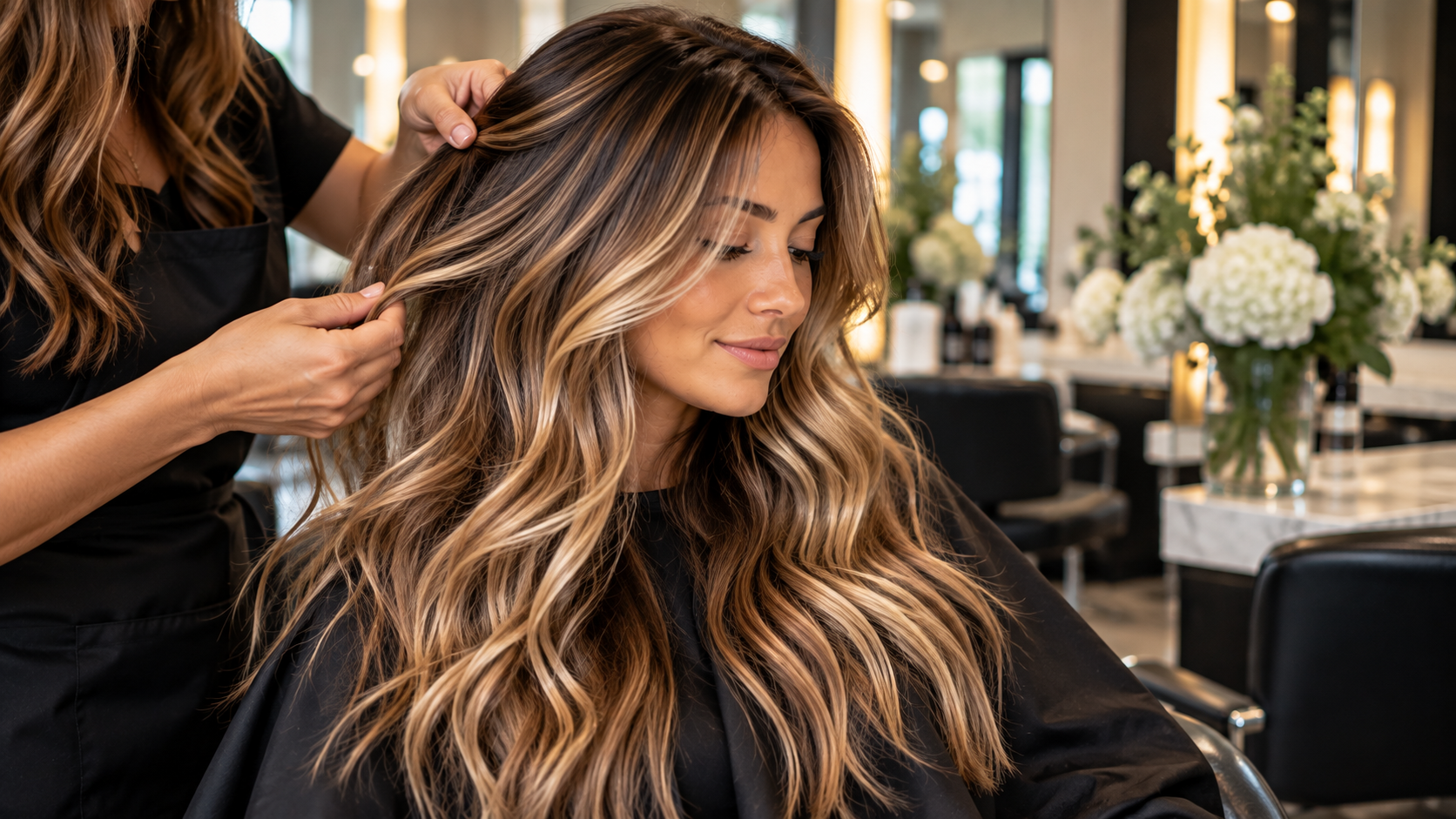
There’s a reason balayage has stayed popular for so long. When it’s done well, the color doesn’t look like it was simply added to your hair. It looks like it belongs there.

For many of our Houston clients, that’s exactly the appeal. They want dimension and brightness without feeling like they have to be back in the salon every few weeks for a noticeable root line.

But balayage isn’t one specific color or one standard technique that works the same way for everyone. The best result depends on your starting color, previous color history, haircut, hair condition, lifestyle and what you actually want your hair to look like between appointments.

At Salon Germains in Houston, we believe that conversation should happen before the color bowl comes out.

What Is Balayage, Really?

Balayage refers to a highlighting approach that gives the stylist more control over where brightness and dimension are placed throughout the hair.

Unlike a traditional highlight pattern that can create a more uniform result from the root down, balayage can be customized to create softer transitions and strategically placed brightness.

That might mean brighter pieces around the face, subtle dimension through brunette hair, a sun-kissed effect through the ends or a more noticeable blonde transformation.

The important part is that the placement should make sense for your hair.

A photo can give your stylist a helpful direction, but recreating someone else’s exact color isn’t always realistic—or even desirable. Their natural base, density, texture, previous color and maintenance routine may be completely different from yours.

Balayage Can Be Low Maintenance, but It Isn’t No Maintenance

One of the biggest reasons clients choose balayage is the softer grow-out.

Because the color can be blended rather than starting with a hard line at the scalp, many clients can go longer between major lightening appointments.

That doesn’t mean your hair will never need attention.

Your stylist may recommend a gloss or toner between larger appointments to refresh the tone and shine. You may also need a trim, conditioning treatment or a few strategically placed highlights depending on how the color develops over time.

The right schedule is less about following a fixed number of weeks and more about maintaining the look and condition of your individual hair.

Houston Weather Matters More Than You Might Think

Anyone who lives in Houston knows what humidity can do to freshly styled hair.

Heat, humidity, sun exposure, frequent washing and time spent in pools can all affect how colored hair looks and feels. Blonde and lightened hair may require more attention to moisture, tone and at-home care than untreated hair.

This is one reason we talk to clients about what happens after the appointment.

If your routine involves frequent heat styling, swimming or a lot of time outdoors, tell your stylist. Those details can influence both the color plan and the products recommended for maintaining it.

Beautiful color on appointment day is only part of the goal. We want the hair to remain manageable and attractive once you’re styling it yourself at home.

Can Brunettes Get Balayage?

Absolutely.

Balayage does not have to mean becoming blonde.

Some of the most natural-looking results come from adding carefully selected caramel, honey, beige or dimensional brunette tones to darker hair.

For a brunette who wants a subtle change, the difference may be only a few levels lighter than the natural base. For someone wanting a bigger transformation, the process may require more than one appointment—particularly if there is previous permanent color on the hair.

Trying to force dark or previously colored hair to become extremely light in one visit isn’t always the best approach.

Healthy-looking hair matters just as much as the final shade.

What If You Already Have Hair Color?

Tell your stylist everything you can remember about your color history.

Professional color, box dye, dark color, highlights, henna and previous lightening can all affect what is realistically achievable.

Even if the color was applied months ago, it may still be present through the mid-lengths and ends.

This is also why an in-person consultation can be so valuable when you’re considering a major color change. Your stylist can see and feel the hair rather than trying to make assumptions from a photograph.

Bring Inspiration Photos—But Bring the Right Ones

We love inspiration photos.

Bring several rather than relying on one perfect Pinterest or Instagram image. It helps us understand what you’re consistently drawn to.

Look at more than the color itself.

Do you like how bright the hair is around the face? Do you prefer a darker root? Do you like warm, creamy tones or cooler beige tones? Do you want noticeable ribbons of color or something very blended?

It can also be helpful to bring a photo of something you don’t like.

Sometimes that tells your stylist just as much.

How Long Does a Balayage Appointment Take?

There isn’t one answer because not every balayage appointment involves the same amount of work.

Hair length and density, the starting color, the amount of lightening required, toning, treatments, haircutting and styling can all affect appointment time.

A subtle refresh on existing balayage is very different from taking long, dark hair through a major dimensional-color transformation.

If you have an event or another commitment afterward, let the salon know when booking rather than assuming it will be a quick appointment.

How Should You Choose a Balayage Stylist in Houston?

Look beyond a single dramatic before-and-after photo.

Pay attention to a stylist’s overall body of work. Look for hair that resembles your own starting point, whether that’s brunette, blonde, fine, thick, long, short or previously colored.

During your consultation, you should also feel comfortable discussing maintenance and budget.

A good color plan shouldn’t only answer, “Can we create this?”

It should also answer, “What will it take to keep it looking good?”

Balayage at Salon Germains in Houston

At Salon Germains, our approach to balayage begins with the person sitting in the chair.

We consider your current hair, your inspiration, how much maintenance you’re comfortable with and how you normally wear your hair before deciding on placement and tone.

Whether you’re looking for subtle brunette dimension, brighter face-framing pieces or a more noticeable color transformation, the first step is figuring out what makes sense for your hair.

If you’re in Houston, Memorial or the surrounding West Houston area and are considering balayage, schedule a consultation with Salon Germains. Bring your inspiration photos, your questions and your color history.

We’ll start from there.

Best Foods for Hair Growth: What to Eat, Drink & Avoid

Hair growth doesn’t just depend on good hair care practices; your diet plays a huge role too. A balanced diet packed with nutrients helps to nourish hair follicles and supports healthier, stronger, and faster-growing hair. In this guide, we’ll share the best foods for hair growth, what to eat to prevent hair loss, and which foods you should avoid to keep your hair thick and healthy.

What Can I Drink to Boost Hair Growth?

Drinking the right beverages can support hair growth from the inside out. Here are some drinks that can boost hair health:

What to Eat to Avoid Hair Loss?

To combat hair loss, certain foods can help nourish your scalp and hair follicles. These foods prevent nutrient deficiencies that can lead to hair thinning or loss:

What Food to Eat to Grow Hair Faster?

Certain foods encourage faster hair growth by providing essential vitamins, minerals, and proteins to your hair follicles. Here are some of the top foods to eat to grow your hair faster:

Which Fruit is Rich for Hair?

Fruits not only nourish your body but can also nourish your hair. Some of the best fruits for hair growth include:

Top 5 Foods to Prevent Hair Loss

If you’re trying to prevent hair loss, add these 5 foods to your diet:

  1. Spinach – Packed with iron and folate to nourish hair follicles and prevent shedding.
  2. Eggs – Full of biotin, which is essential for hair growth.
  3. Salmon – Rich in omega-3 fatty acids to boost scalp health.
  4. Carrots – High in vitamin A to promote hair health.
  5. Nuts – Packed with zinc, which helps prevent hair shedding.

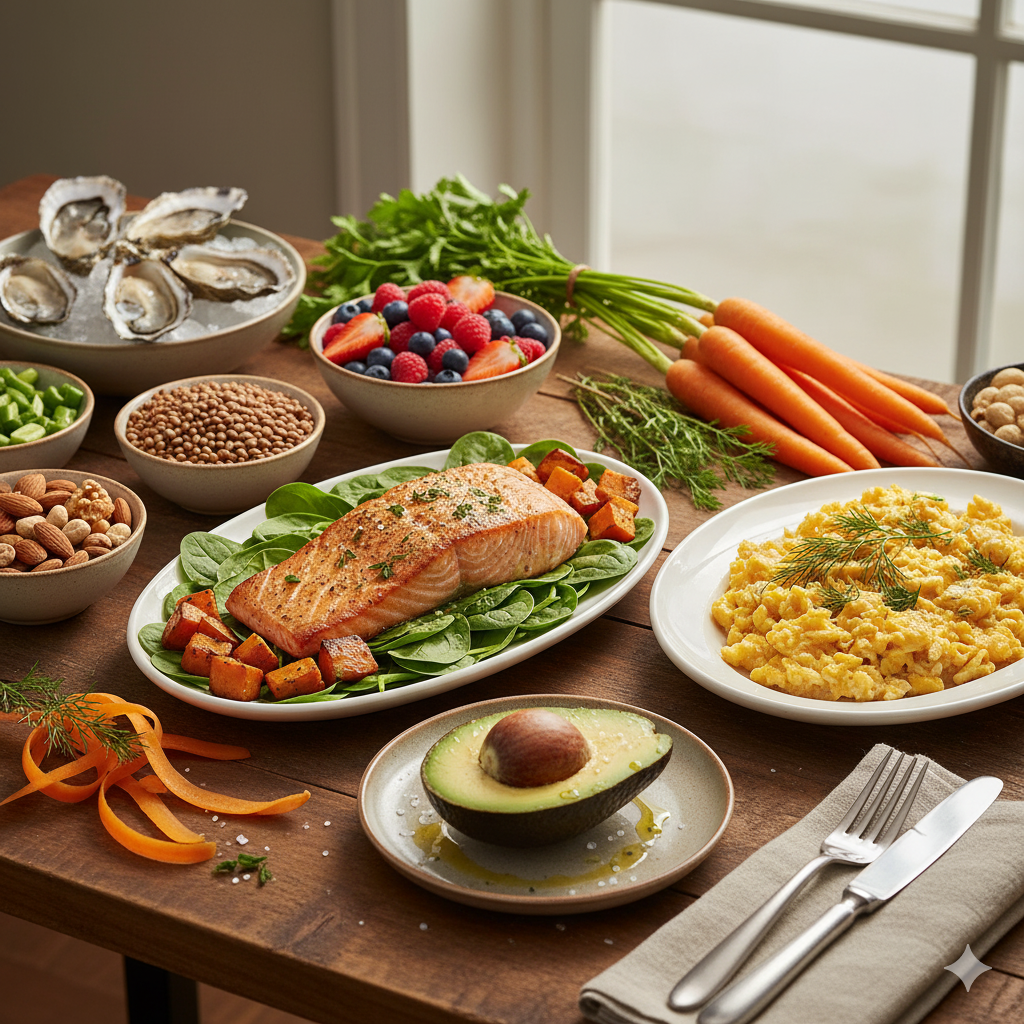
Top 10 Hair Growth Foods

Here’s a list of the top 10 foods for hair growth and thickness:

  1. Eggs
  2. Spinach
  3. Sweet Potatoes
  4. Salmon
  5. Nuts (Almonds, Walnuts, Cashews)
  6. Lentils
  7. Berries
  8. Avocados
  9. Carrots
  10. Oysters (rich in zinc for hair growth)

These foods provide the nutrients your hair needs for healthy growth and strength.

Best Foods for Hair Growth: What to Eat, Drink, and Avoid Naturally

When looking for the best foods for hair growth, you’ll want to include plenty of protein, vitamins, and minerals in your diet. It’s essential to eat whole, nutrient-dense foods and avoid processed or overly sugary options, which can have a negative effect on hair health.

Foods to avoid for healthy hair growth:

A diet rich in whole foods like leafy greens, healthy fats, lean protein, and fruits will give you the best chance for healthy hair growth.

Diet for Hair Growth: Female vs. Male Hair Care

Both men and women can benefit from a diet focused on healthy hair growth. However, women may need to focus more on iron (for hair thickness) and biotin (for hair health), while men should focus on zinc and vitamin D to prevent hair thinning related to testosterone levels.

What Is Good for Hair Growth and Thickness?

To enhance hair growth and thickness, make sure to:

Conclusion

Achieving healthy hair growth takes more than just good hair care products—it starts with a balanced diet. By incorporating the best foods for hair growth into your daily routine, you can nourish your hair from the inside out, encouraging stronger, thicker, and faster-growing hair. Remember to avoid processed foods, stay hydrated, and focus on eating nutrient-packed meals to see visible results in no time!

Tips for Healthy Hair Growth at Home: Expert Advice for Longer, Stronger Hair

Achieving healthy, long, and strong hair doesn’t have to be complicated. With the right care, diet, and habits, it’s possible to grow your hair naturally from home while keeping it shiny, strong, and manageable. This guide shares practical tips for healthy hair growth at home, including do’s and don’ts, the qualities of healthy hair, and natural remedies that really work.

The 4 Qualities of Healthy Hair

Healthy hair typically has these four key qualities:

  1. Strength – Hair should resist breakage and damage from styling or brushing.
  2. Shine – Natural luster indicates well-moisturized and healthy cuticles.
  3. Elasticity – Healthy hair stretches without snapping.
  4. Smooth Texture – Minimal frizz, split ends, or rough patches.

By understanding these qualities, you can better evaluate your hair care routine and focus on what your hair truly needs.

3 Do’s and Don’ts of Hair Care

Do:

Don’t:

Tips for Healthy Hair Growth Overnight

While overnight growth is limited, you can enhance hair health while you sleep:

How to Grow Hair Faster Naturally in a Week

Although true hair growth is gradual, these strategies can encourage optimal growth:

Consistency is key; a week can show improved hair health, even if length gain is modest.

Tips for Healthy Hair Growth and Thickness at Home

Foods for Hair Growth and Thickness:

Tips for Healthy Hair Growth for Women

Regrow Hair Naturally in 3 Weeks

While individual results vary, combining these strategies can help:

What is Good for Hair Growth and Thickness?

How to Get Perfect Hair Naturally

Will Healthy Hair Grow Faster?

Yes, healthy hair is more likely to grow at its maximum potential. Strong, well-nourished strands experience less breakage, meaning length retention improves, and hair appears thicker and healthier over time.

Conclusion

Growing and maintaining healthy hair at home is all about consistency, nourishment, and protection. By following these simple, expert-backed tips, anyone can promote hair growth, thickness, and shine naturally. Incorporate proper diet, gentle care, and hydration into your routine, and watch your hair thrive.

How to Grow Natural Hair Fast: Tips, Tricks, and Expert Advice

Growing natural hair can be a rewarding journey, but it requires patience, the right techniques, and consistent care. Whether you’re starting from scratch or looking to enhance your current routine, these proven strategies can help you grow your natural hair quickly and healthily.

What Are the 4 Types of Natural Hair?

Understanding your hair type is essential for creating a personalized hair care routine. There are four main types of natural hair:

  1. Type 1 – Straight Hair: Typically sleek and shiny, with no curl.
  2. Type 2 – Wavy Hair: Hair with soft, loose waves, but no defined curls.
  3. Type 3 – Curly Hair: Defined curls that range from loose to tight.
  4. Type 4 – Coily or Kinky Hair: Tightly coiled hair, often more prone to dryness and shrinkage.

By identifying your hair type, you can choose the right products and techniques to promote faster, healthier growth.

How to Grow Hair in 7 Days at Home?

While you can’t expect significant growth in just a week, there are a few steps you can take to boost your hair’s health and create the ideal environment for growth:

While hair growth isn’t instant, these habits can set you on the right path for long-term results.

How to Grow Natural Hair Fast?

To accelerate hair growth naturally, focus on hydration, protection, and nutrition:

With the right techniques, natural hair can grow quickly and steadily without compromising its health.

How to Start Natural Hair?

Starting your natural hair journey can be both exciting and challenging. If you’re transitioning from relaxed or chemically treated hair, follow these steps:

  1. Stop Using Chemical Treatments: Avoid relaxers and perms, allowing your natural hair texture to emerge.
  2. Big Chop or Transition: You can either trim off the chemically treated ends (big chop) or slowly transition by trimming over time.
  3. Create a Hair Care Routine: Focus on moisturizing, gentle detangling, and using natural, sulfate-free products to support your hair’s health.

How to Make Natural Hair?

“Making” natural hair typically refers to the process of transitioning to or growing out your natural texture. The key to healthy natural hair lies in:

By following these steps and being consistent with your routine, your natural hair will thrive and grow faster.