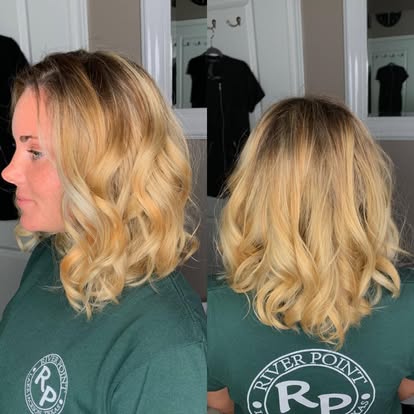
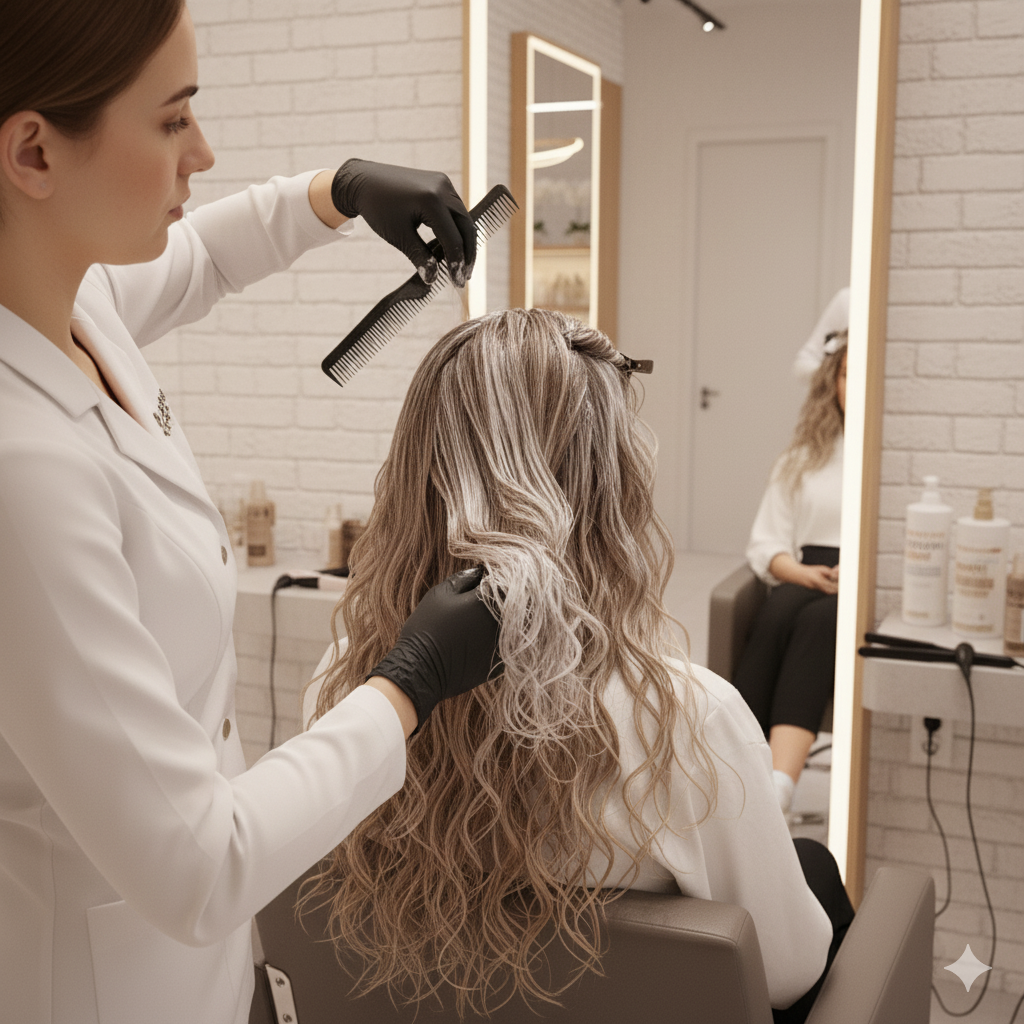
Hair growth doesn’t just depend on good hair care practices; your diet plays a huge role too. A balanced diet packed with nutrients helps to nourish hair follicles and supports healthier, stronger, and faster-growing hair. In this guide, we’ll share the best foods for hair growth, what to eat to prevent hair loss, and which foods you should avoid to keep your hair thick and healthy.
What Can I Drink to Boost Hair Growth?
Drinking the right beverages can support hair growth from the inside out. Here are some drinks that can boost hair health:
Water: Hydration is key for overall health and hair growth. Water helps deliver nutrients to the hair follicles and keeps your scalp hydrated, which prevents dry, brittle hair.
Green Tea: Packed with antioxidants, green tea can help improve blood circulation to the scalp, promoting healthier hair growth.
Carrot Juice: Rich in vitamin A, this juice can stimulate the sebaceous glands, preventing dry hair and encouraging faster hair growth.
Aloe Vera Juice: Known for its anti-inflammatory properties, aloe vera juice can soothe the scalp and improve hair texture.
What to Eat to Avoid Hair Loss?
To combat hair loss, certain foods can help nourish your scalp and hair follicles. These foods prevent nutrient deficiencies that can lead to hair thinning or loss:
Spinach: Full of iron, spinach supports healthy blood circulation to the scalp, which is essential for hair growth.
Salmon: Rich in omega-3 fatty acids and vitamin D, salmon promotes a healthy scalp and improves hair texture.
Sweet Potatoes: A great source of beta-carotene, sweet potatoes help prevent dry, brittle hair and support healthy growth.
Lentils: Packed with protein, iron, and biotin, lentils promote strong and shiny hair while preventing hair loss.
What Food to Eat to Grow Hair Faster?
Certain foods encourage faster hair growth by providing essential vitamins, minerals, and proteins to your hair follicles. Here are some of the top foods to eat to grow your hair faster:
Eggs: Loaded with protein and biotin, eggs are essential for building keratin, the protein that makes up your hair.
Nuts: Almonds, walnuts, and cashews are rich in vitamins E, B, and zinc, which promote strong hair and faster growth.
Berries: Rich in antioxidants and vitamin C, berries help strengthen hair follicles and protect your hair from damage.
Avocados: Full of healthy fats, vitamins E and B, avocados promote smooth, shiny, and fast-growing hair.
Which Fruit is Rich for Hair?
Fruits not only nourish your body but can also nourish your hair. Some of the best fruits for hair growth include:
Papaya: Rich in vitamins A and C, papaya helps with healthy scalp circulation, promoting thicker and faster hair growth.
Bananas: High in potassium and natural oils, bananas nourish hair strands, keeping them strong and preventing hair loss.
Oranges: Loaded with vitamin C, oranges support collagen production, which strengthens hair and prevents breakage.
Berries: High in antioxidants, berries protect hair follicles and reduce inflammation on the scalp, which is essential for hair growth.
Top 5 Foods to Prevent Hair Loss
If you’re trying to prevent hair loss, add these 5 foods to your diet:
Spinach – Packed with iron and folate to nourish hair follicles and prevent shedding.
Eggs – Full of biotin, which is essential for hair growth.
Salmon – Rich in omega-3 fatty acids to boost scalp health.
Carrots – High in vitamin A to promote hair health.
Nuts – Packed with zinc, which helps prevent hair shedding.
Top 10 Hair Growth Foods
Here’s a list of the top 10 foods for hair growth and thickness:
Eggs
Spinach
Sweet Potatoes
Salmon
Nuts (Almonds, Walnuts, Cashews)
Lentils
Berries
Avocados
Carrots
Oysters (rich in zinc for hair growth)
These foods provide the nutrients your hair needs for healthy growth and strength.
Best Foods for Hair Growth: What to Eat, Drink, and Avoid Naturally
When looking for the best foods for hair growth, you’ll want to include plenty of protein, vitamins, and minerals in your diet. It’s essential to eat whole, nutrient-dense foods and avoid processed or overly sugary options, which can have a negative effect on hair health.
Foods to avoid for healthy hair growth:
Refined sugar and processed carbs
Excessive caffeine
Trans fats and unhealthy oils
A diet rich in whole foods like leafy greens, healthy fats, lean protein, and fruits will give you the best chance for healthy hair growth.
Diet for Hair Growth: Female vs. Male Hair Care
Both men and women can benefit from a diet focused on healthy hair growth. However, women may need to focus more on iron (for hair thickness) and biotin (for hair health), while men should focus on zinc and vitamin D to prevent hair thinning related to testosterone levels.
What Is Good for Hair Growth and Thickness?
To enhance hair growth and thickness, make sure to:
Eat nutrient-rich foods high in protein, biotin, and vitamins A and C.
Stay hydrated to support healthy scalp and hair follicles.
Take care of your scalp by keeping it clean, nourished, and free from buildup.
Conclusion
Achieving healthy hair growth takes more than just good hair care products—it starts with a balanced diet. By incorporating the best foods for hair growth into your daily routine, you can nourish your hair from the inside out, encouraging stronger, thicker, and faster-growing hair. Remember to avoid processed foods, stay hydrated, and focus on eating nutrient-packed meals to see visible results in no time!
Achieving healthy, long, and strong hair doesn’t have to be complicated. With the right care, diet, and habits, it’s possible to grow your hair naturally from home while keeping it shiny, strong, and manageable. This guide shares practical tips for healthy hair growth at home, including do’s and don’ts, the qualities of healthy hair, and natural remedies that really work.
The 4 Qualities of Healthy Hair
Healthy hair typically has these four key qualities:
Strength – Hair should resist breakage and damage from styling or brushing.
Shine – Natural luster indicates well-moisturized and healthy cuticles.
Elasticity – Healthy hair stretches without snapping.
Smooth Texture – Minimal frizz, split ends, or rough patches.
By understanding these qualities, you can better evaluate your hair care routine and focus on what your hair truly needs.
3 Do’s and Don’ts of Hair Care
Do:
Hydrate Regularly – Keep hair moisturized with leave-in conditioners, oils, or natural hair masks.
Protect Your Hair – Use protective styles, silk pillowcases, and heat protectants before styling.
Eat for Hair Health – Include protein, vitamins, and minerals in your diet to support growth.
Don’t:
Avoid Over-Heat Styling – Excessive flat irons, blow dryers, or curling irons can weaken strands.
Don’t Skip Trims – Regular trims prevent split ends from traveling up the hair shaft.
Avoid Harsh Chemicals – Frequent coloring, relaxers, or sulfates can damage hair over time.
Tips for Healthy Hair Growth Overnight
While overnight growth is limited, you can enhance hair health while you sleep:
Oil Your Scalp – Castor, coconut, or argan oil can nourish hair follicles.
Protective Hairstyles – Braids or twists reduce friction and breakage.
Silk or Satin Pillowcases – Prevent hair from tangling and reduce split ends.
How to Grow Hair Faster Naturally in a Week
Although true hair growth is gradual, these strategies can encourage optimal growth:
Protein-Rich Diets – Hair is made of keratin, a protein.
Vitamins and Minerals – Biotin, zinc, vitamin E, and iron support healthy growth.
Proper Hair Care – Gentle detangling, minimal heat, and protective styles.
How to Get Perfect Hair Naturally
Keep a consistent routine of washing, conditioning, and moisturizing.
Avoid harsh chemicals and frequent heat styling.
Trim split ends regularly and protect hair at night.
Nourish hair from the inside with a balanced diet.
Will Healthy Hair Grow Faster?
Yes, healthy hair is more likely to grow at its maximum potential. Strong, well-nourished strands experience less breakage, meaning length retention improves, and hair appears thicker and healthier over time.
Conclusion
Growing and maintaining healthy hair at home is all about consistency, nourishment, and protection. By following these simple, expert-backed tips, anyone can promote hair growth, thickness, and shine naturally. Incorporate proper diet, gentle care, and hydration into your routine, and watch your hair thrive.
Growing natural hair can be a rewarding journey, but it requires patience, the right techniques, and consistent care. Whether you’re starting from scratch or looking to enhance your current routine, these proven strategies can help you grow your natural hair quickly and healthily.
What Are the 4 Types of Natural Hair?
Understanding your hair type is essential for creating a personalized hair care routine. There are four main types of natural hair:
Type 1 – Straight Hair: Typically sleek and shiny, with no curl.
Type 2 – Wavy Hair: Hair with soft, loose waves, but no defined curls.
Type 3 – Curly Hair: Defined curls that range from loose to tight.
Type 4 – Coily or Kinky Hair: Tightly coiled hair, often more prone to dryness and shrinkage.
By identifying your hair type, you can choose the right products and techniques to promote faster, healthier growth.
How to Grow Hair in 7 Days at Home?
While you can’t expect significant growth in just a week, there are a few steps you can take to boost your hair’s health and create the ideal environment for growth:
Deep Condition: Use a nourishing hair mask to strengthen your strands and restore moisture.
Scalp Massage: Regularly massaging your scalp increases blood circulation, which can stimulate hair follicles and encourage growth.
Avoid Heat Styling: Give your hair a break from hot tools to reduce breakage and promote healthier growth.
Eat a Balanced Diet: Nutrient-rich foods support hair growth. Incorporate vitamins like biotin, vitamin E, and omega-3 fatty acids.
While hair growth isn’t instant, these habits can set you on the right path for long-term results.
How to Grow Natural Hair Fast?
To accelerate hair growth naturally, focus on hydration, protection, and nutrition:
Hydrate Your Hair: Moisture is key to healthy growth. Keep your hair hydrated with leave-in conditioners and oils like argan or castor oil.
Protective Styles: Try braids or twists to minimize breakage and protect your hair from environmental damage.
Trim Regularly: While it may seem counterintuitive, trimming your ends every 6-8 weeks removes split ends, which can prevent further damage and promote healthier growth.
With the right techniques, natural hair can grow quickly and steadily without compromising its health.
How to Start Natural Hair?
Starting your natural hair journey can be both exciting and challenging. If you’re transitioning from relaxed or chemically treated hair, follow these steps:
Stop Using Chemical Treatments: Avoid relaxers and perms, allowing your natural hair texture to emerge.
Big Chop or Transition: You can either trim off the chemically treated ends (big chop) or slowly transition by trimming over time.
Create a Hair Care Routine: Focus on moisturizing, gentle detangling, and using natural, sulfate-free products to support your hair’s health.
How to Make Natural Hair?
“Making” natural hair typically refers to the process of transitioning to or growing out your natural texture. The key to healthy natural hair lies in:
Regular Moisturization: Dry hair leads to breakage. Use deep conditioning treatments and leave-in conditioners to keep hair hydrated.
Avoiding Heat: Excessive heat can damage natural hair, so limit the use of flat irons and blow dryers.
Using Natural Ingredients: Opt for oils like coconut, jojoba, and castor oil to seal in moisture and promote growth.
By following these steps and being consistent with your routine, your natural hair will thrive and grow faster.
If you’re tired of frizzy, unruly hair and longing for sleek, shiny locks, a keratin treatment might just be the solution you’ve been searching for. In this blog post, we’ll break down everything you need to know about keratin treatments, including the benefits, how the process works, and whether it’s the right choice for your hair.
What is a Keratin Treatment?
A keratin treatment is a salon service that smooths and straightens your hair by infusing it with a special keratin formula. Keratin is a protein that naturally exists in hair, skin, and nails, and when applied to hair, it helps restore lost moisture, eliminate frizz, and add shine. It’s especially popular among people with curly, wavy, or frizzy hair, but can benefit almost any hair type looking for smoother, healthier-looking locks.
During the treatment, a keratin solution is applied to the hair, and the hair is then sealed with heat. The result? Frizz-free, shiny, and more manageable hair for months!
Benefits of a Keratin Treatment
So, why are keratin treatments so popular? Let’s take a look at the many advantages:
1. Frizz Control
One of the most significant benefits of a keratin treatment is its ability to control frizz. Whether you live in a humid climate or have naturally frizzy hair, this treatment can drastically reduce frizz, leaving you with smooth, manageable hair.
2. Smoother, Shinier Hair
Keratin treatments coat each strand, providing a protective layer that gives your hair a sleek, shiny finish. Say goodbye to dull, lifeless hair and hello to glossy, healthy-looking locks.
3. Faster Styling
With a keratin treatment, you’ll spend less time styling your hair. The treatment cuts down on blow-drying time and helps your hair stay smooth and straight, even without much effort.
4. Long-Lasting Results
While the effects of a keratin treatment aren’t permanent, they typically last 2-4 months, depending on your hair type and maintenance routine. After the treatment, you’ll enjoy long-lasting smoothness and shine without constant touch-ups.
5. Healthier Hair
Keratin not only smooths the surface of the hair but also strengthens it from within. Over time, keratin treatments can make your hair look and feel healthier, as they restore moisture and reduce breakage.
The Keratin Treatment Process
You might be wondering, how exactly does a keratin treatment work? Here’s a breakdown of the typical process:
Consultation: The stylist will start by assessing your hair to determine the best keratin formula for your hair type. They’ll also ask about your hair goals, whether you want to eliminate frizz, reduce curl, or simply add shine.
Shampoo: Your hair is thoroughly washed with a clarifying shampoo to remove any buildup and prepare it for the treatment.
Application: The keratin solution is carefully applied to the hair, and your stylist will ensure it’s evenly distributed from root to tip.
Heat Sealing: After the keratin is applied, the stylist will use a flat iron to seal the treatment into your hair. The heat helps bond the keratin to your hair strands, leaving you with smoother, shinier hair.
Post-Treatment Care: After the treatment, your stylist will give you instructions on how to care for your hair. Typically, you’ll need to wait 48-72 hours before washing your hair, and you should avoid using any hair ties or clips during this time.
How Long Does a Keratin Treatment Last?
One of the biggest questions about keratin treatments is how long they last. On average, the results of a keratin treatment can last anywhere from 2 to 4 months, depending on your hair type, maintenance, and lifestyle.
To extend the life of your treatment, you’ll need to use sulfate-free shampoos and avoid washing your hair too frequently. Also, be sure to follow your stylist’s aftercare instructions to maintain the smoothness and shine.
Are There Any Disadvantages of Keratin Treatments?
While keratin treatments are generally safe and offer numerous benefits, there are a few potential downsides to consider:
1. Formaldehyde Exposure
Some keratin treatments contain formaldehyde or formaldehyde-releasing ingredients, which can be irritating to the eyes, nose, and skin. However, many salons now offer formaldehyde-free options that are much safer.
2. Cost
Keratin treatments can be expensive, with costs ranging from $150 to $400, depending on the salon and your hair length. It’s an investment, but the results are often worth the price.
3. Maintenance
To keep your hair looking great after the treatment, you’ll need to follow specific aftercare instructions, including using the right shampoo and avoiding certain hair products. While the treatment can make styling easier, it still requires some maintenance.
Is a Keratin Treatment Right for You?
A keratin treatment can be a game-changer if you struggle with frizzy, unruly hair. It’s ideal for anyone looking for smoother, shinier hair without having to spend hours styling it. However, it’s essential to understand the process, costs, and maintenance before deciding if it’s the right fit for you.
If you’re ready to experience the magic of a keratin treatment, book your appointment at Salon Germains & Spa today! Our expert stylists are here to give you the smooth, glossy hair you’ve always wanted.
A keratin treatment is a fantastic way to improve the texture, shine, and manageability of your hair. Whether you’re seeking a frizz-free look or simply want to make your daily styling routine easier, a keratin treatment can deliver stunning, long-lasting results. Book your appointment with Salon Germains & Spa and discover the difference it can make for your hair!
Winter can be harsh on your skin, leaving it dry, dull, and more prone to irritation. As the temperatures drop, the cold air strips moisture from your skin, while indoor heating systems can exacerbate dryness and sensitivity. To combat these effects and maintain a radiant complexion, incorporating facials designed for cold-weather care is essential.
In this guide, we’ll explore the best facials to help you glow all winter long and keep your skin hydrated, healthy, and nourished.
Why Winter Skin Care Requires Special Attention
The Effects of Cold Weather on Your Skin
Cold weather brings lower humidity levels, which can deplete your skin’s natural moisture barrier. This often leads to issues such as:
Dryness: The skin can become flaky and tight.
Redness: Sensitive skin may experience increased redness due to wind and temperature changes.
Irritation: Skin may feel itchy or develop dry patches.
Fine Lines: Dehydrated skin is more prone to showing fine lines and wrinkles.
Addressing these winter-related skin concerns requires targeted treatments that focus on hydration, exfoliation, and protection.
Best Winter Facials to Maintain Healthy Skin
1. Hydrating Facial
A hydrating facial is a must-have during the winter months. These facials focus on replenishing moisture levels and strengthening the skin barrier.
What It Includes:
Gentle cleansing to avoid stripping the skin.
Hydrating masks infused with hyaluronic acid, aloe vera, or glycerin.
Facial massage using nourishing oils such as jojoba or argan oil.
Humectant serums that draw moisture into the skin.
Benefits:
Deeply hydrates and plumps the skin.
Reduces the appearance of fine lines caused by dehydration.
Soothes dry, flaky areas.
2. Oxygen Facial
An oxygen facial is perfect for those who experience dullness during winter. This treatment delivers a boost of oxygen and essential nutrients to the skin, promoting a healthy glow.
What It Includes:
Cleansing to remove surface impurities.
Exfoliation to allow deeper product penetration.
Application of pressurized oxygen infused with vitamins and antioxidants.
Benefits:
Revitalizes tired and dull skin.
Promotes collagen production for a firmer appearance.
Helps the skin absorb moisture more effectively.
3. Gentle Chemical Peel
If your skin has become rough or congested, a gentle chemical peel can work wonders. Winter is an ideal time for peels, as there is less sun exposure, minimizing the risk of sun damage.
What It Includes:
Low-strength acids such as lactic acid or mandelic acid for sensitive skin.
Post-treatment hydration to soothe and calm the skin.
Benefits:
Removes dead skin cells and boosts cell turnover.
Softens rough patches and evens out skin tone.
Reduces breakouts and minimizes pores.
4. LED Light Therapy Facial
LED light therapy is a non-invasive treatment that can help with a range of winter skin concerns, including redness, dryness, and inflammation.
What It Includes:
Cleansing and light exfoliation to prepare the skin.
Application of specific LED light wavelengths (e.g., red light for inflammation and blue light for acne).
Moisturizing serums to lock in hydration after the treatment.
Benefits:
Calms inflamed, irritated skin.
Boosts collagen and elastin production.
Helps with wound healing and redness reduction.
5. Anti-Aging Facial
Winter can make fine lines and wrinkles appear more prominent due to dehydration. Anti-aging facials are designed to hydrate, plump, and firm the skin.
What It Includes:
Deep cleansing to prepare the skin for treatments.
Exfoliation using gentle scrubs or enzymes.
Collagen-boosting serums and peptide-rich masks.
Benefits:
Reduces the appearance of wrinkles and fine lines.
Improves skin elasticity.
Provides long-lasting hydration.
DIY At-Home Winter Facial Routine
If you prefer a spa-like experience at home, you can follow a simple yet effective DIY winter facial routine.
Step 1: Cleanse
Start with a gentle, hydrating cleanser that won’t strip your skin of its natural oils.
Step 2: Exfoliate
Use a mild exfoliant with enzymes or fine granules to slough away dead skin cells. Avoid harsh scrubs that can damage your moisture barrier.
Step 3: Steam (Optional)
Steaming your face for a few minutes can help open your pores and enhance the absorption of skincare products.
Step 4: Mask
Apply a hydrating or soothing mask that targets winter dryness. Look for ingredients like honey, chamomile, or hyaluronic acid.
Step 5: Massage
Gently massage your face using a facial oil to boost circulation and promote lymphatic drainage.
Step 6: Moisturize
Finish with a rich, nourishing moisturizer that seals in hydration. Consider adding a few drops of facial oil for extra moisture.
Key Ingredients to Look for in Winter Facials
When selecting a professional or DIY winter facial, consider products with these beneficial ingredients:
Hyaluronic Acid: Helps retain moisture and plump the skin.
Ceramides: Strengthen the skin barrier and prevent water loss.
Glycerin: A powerful humectant that draws moisture to the skin.
Shea Butter: Provides deep hydration and soothes dry patches.
Antioxidants: Protect the skin from environmental stressors and free radicals.
Post-Facial Care Tips for Winter
To maximize the results of your winter facial, follow these post-treatment care tips:
Avoid Hot Showers: Extremely hot water can strip your skin of moisture and irritate it after a facial.
Use Gentle Products: Avoid harsh exfoliants or active ingredients for a few days post-facial.
Stay Hydrated: Drink plenty of water to keep your skin hydrated from the inside out.
Apply Sunscreen: Winter sun can still cause damage, so don’t skip SPF, especially after treatments like chemical peels.
Moisturize Regularly: Reapply moisturizer throughout the day if your skin feels dry.
Conclusion
Cold weather doesn’t have to mean dull, dry skin. With the right facials and skincare routine, you can maintain a healthy, glowing complexion all winter long. Whether you opt for professional treatments like hydrating facials and oxygen boosts or follow an at-home facial routine, your skin will thank you for the extra care. By focusing on hydration, gentle exfoliation, and barrier protection, you’ll be ready to face the chill with confidence and radiance.
Need a Full Service Salon In Houston, TX?
Welcome to Salon Germains & Spa, your premier destination for holistic beauty and wellness solutions. Our expert team specializes in a range of services designed to rejuvenate your body, mind, and spirit. From our luxurious hair and nail salon, offering top-notch hair extensions and lash extensions, to our state-of-the-art organic hair removal treatments, we prioritize your comfort and satisfaction. Step into our medical wellness spa and experience personalized care with services such as Botox injections, dermal fillers, IV infusion therapy, and hormone replacement. Additionally, our innovative ozone therapy treatments provide alternative modalities for individuals seeking natural healing and wellness support. Contact us today to learn more about what we can do for you!